Desinger
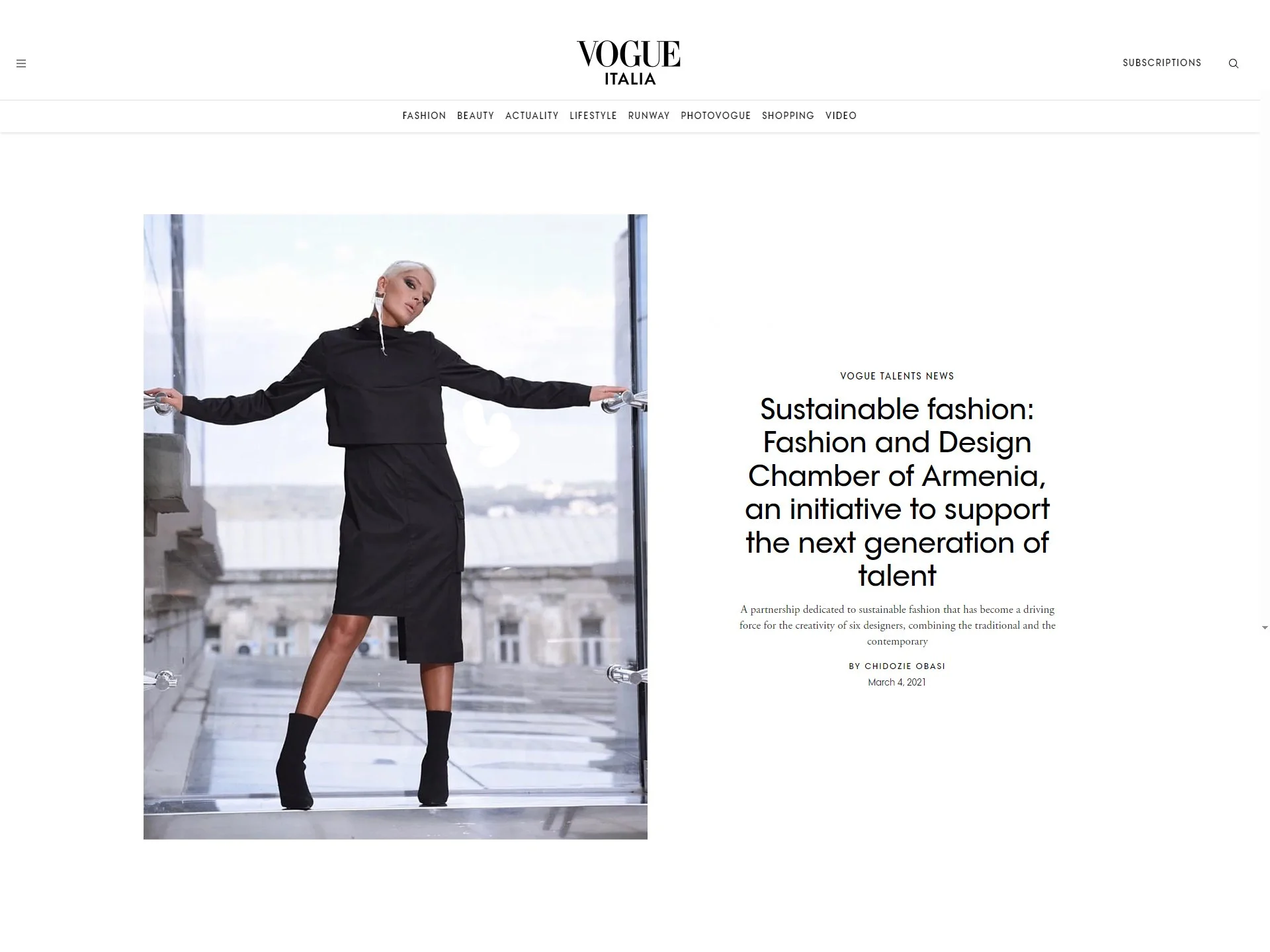
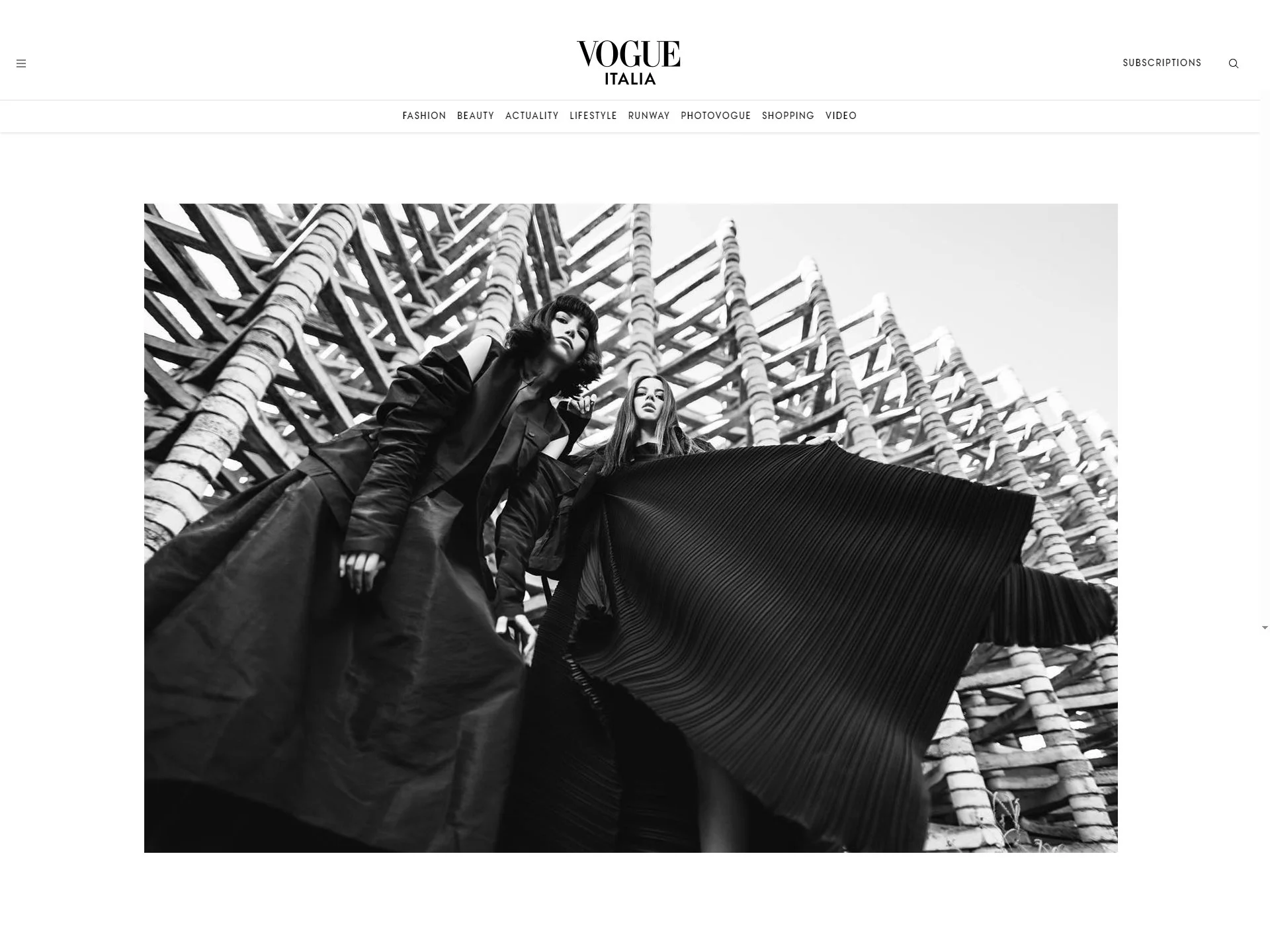
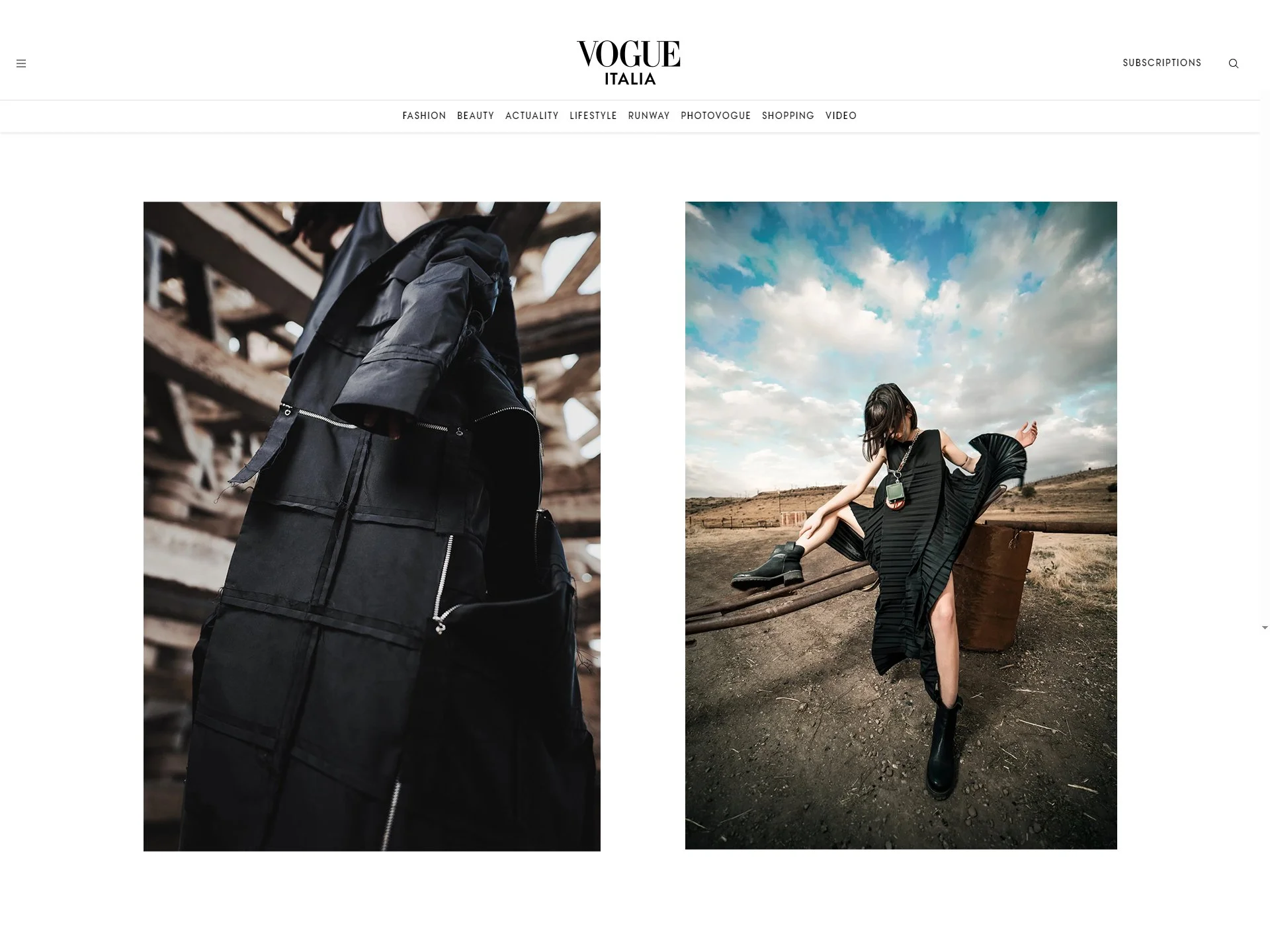
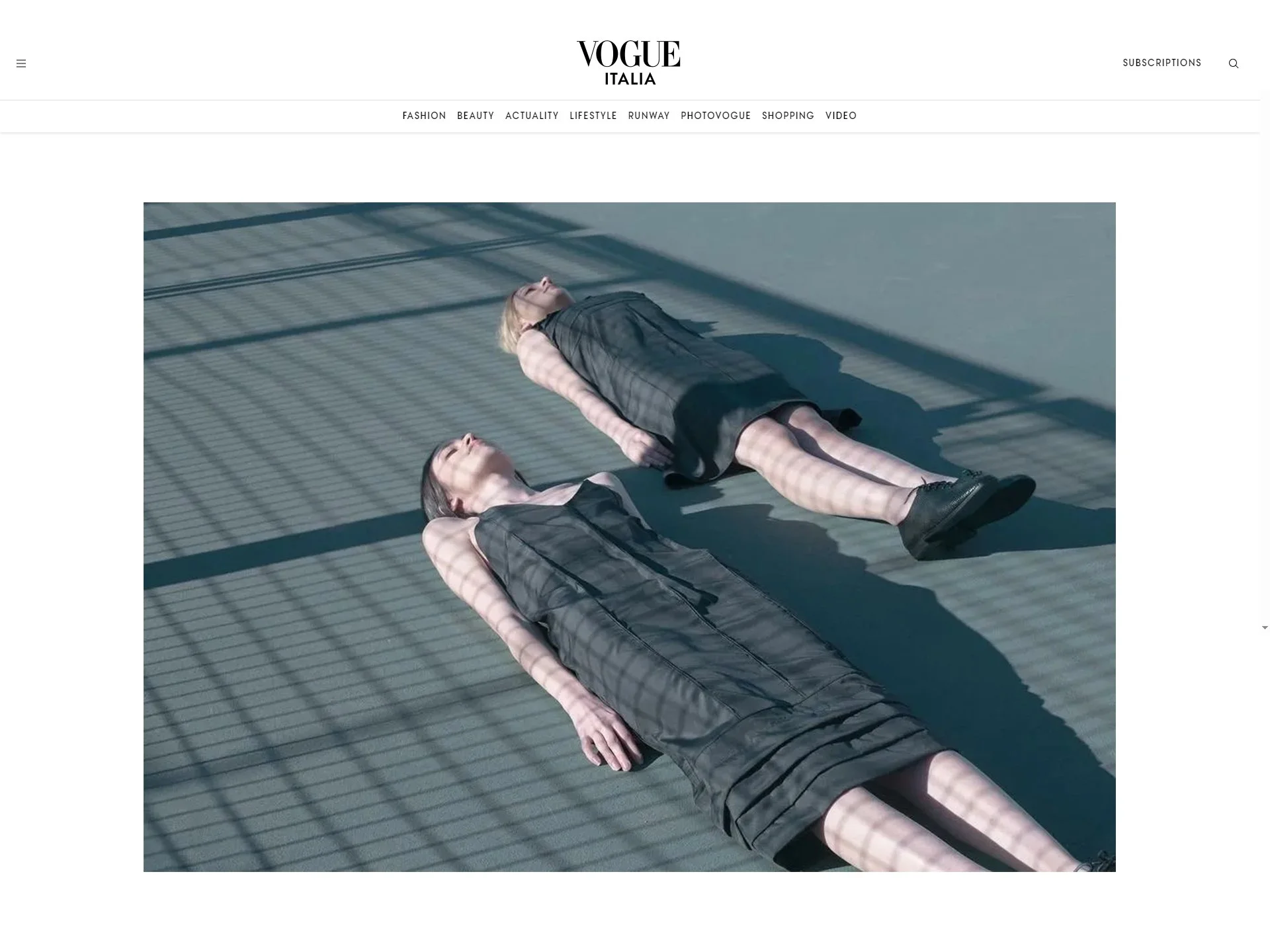
Nelly Serobyan trained in fine art before she ever cut fabric. A graduate of the Armenian Academy of Fine Arts and Moscow's Slava Zaitsev Fashion House, she founded her eponymous label in Yerevan in 2014
Every piece is conceived and handcrafted in her Armenian atelier, where minimalism meets an uncompromising attention to craft. The result is fashion that doesn't follow seasons — it outlasts them.
Runway
Milan Fashion Week
SS23 — Palazzo Visconti, 2022
London Fashion Week
SS21 — Fashion Scout, 2021
London Fashion Week
SS20 — Fashion Scout, 2020
Exebitions
Project
UK’s Good Governance Fund (GGF)
Year
2021
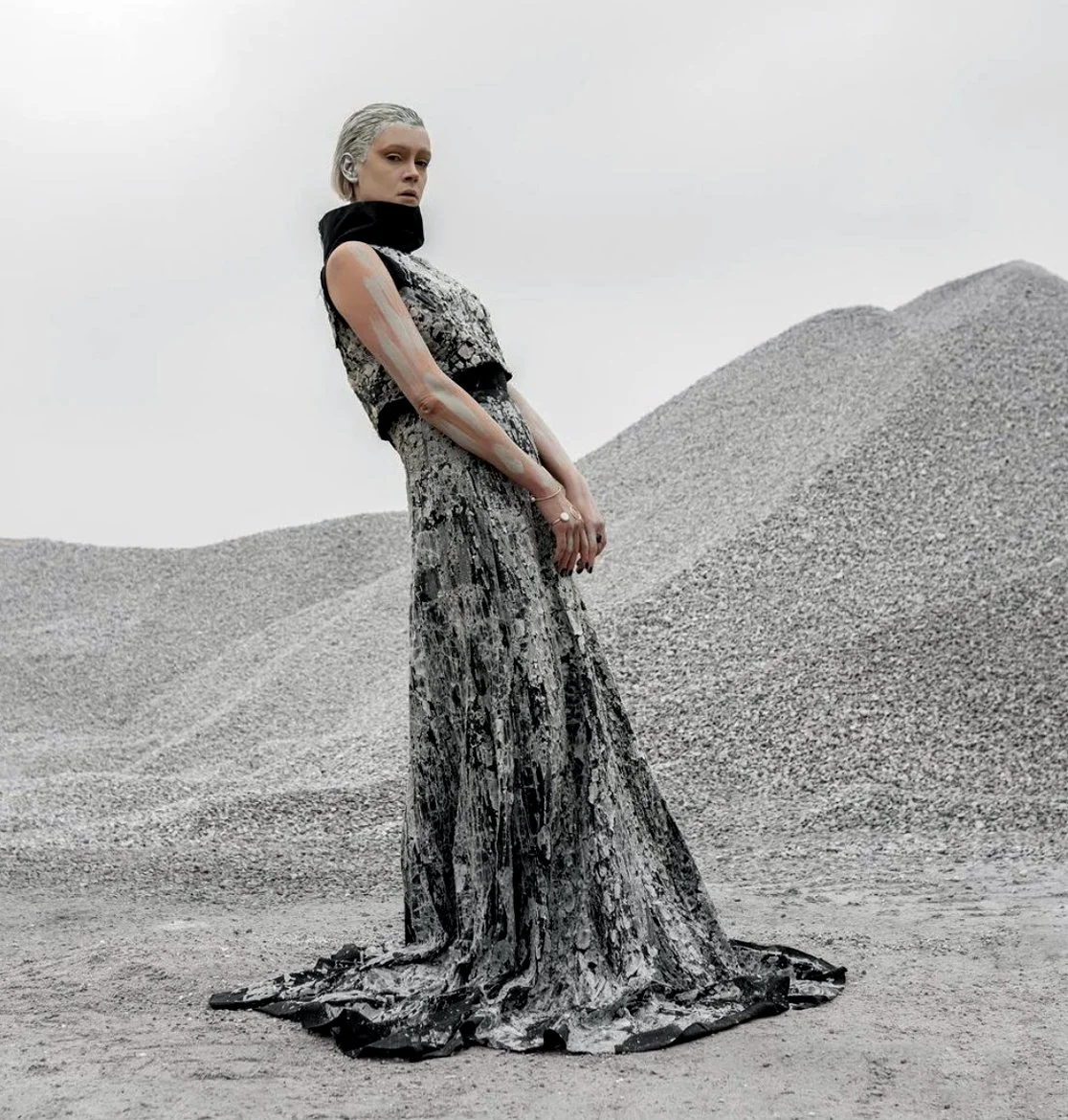
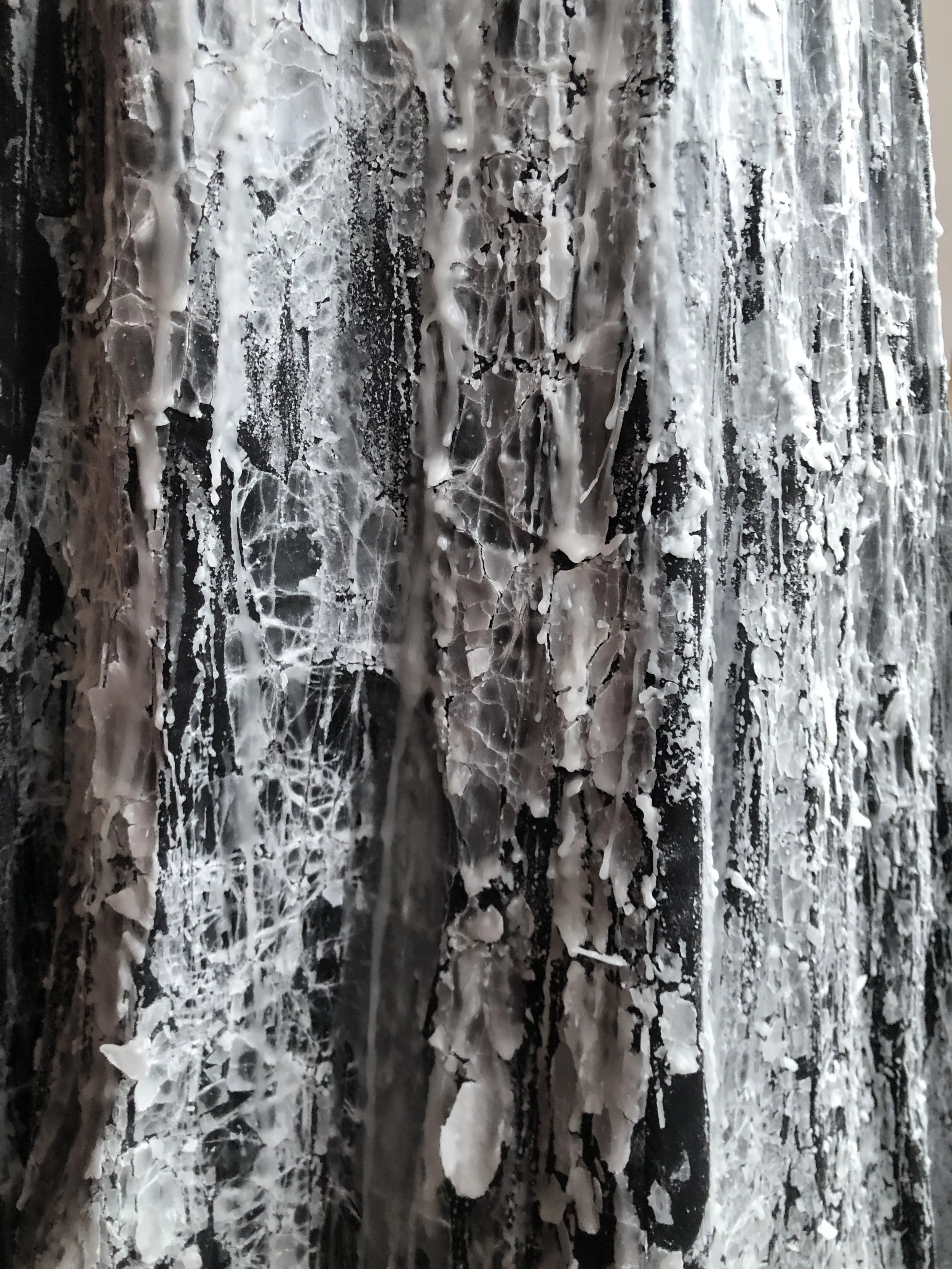
Cancer Causes
Tackling sustainability issues in the Armenian fashion and textile industry with Ecoage.
The campaign has been launched to raise awareness of environmental issues directly or indirectly connected to the fashion and textile industry.
Project
Shape of Manner
Year
2025
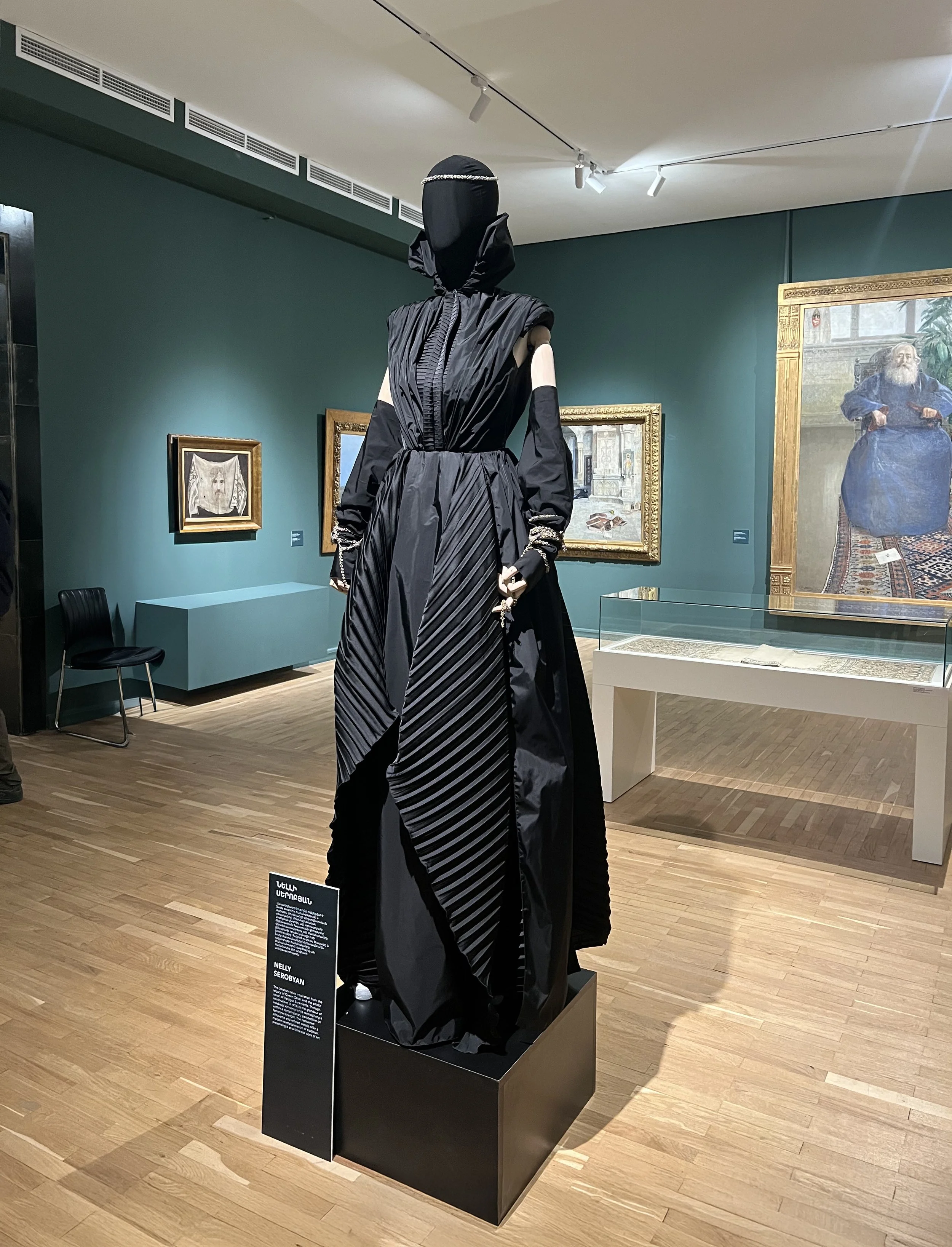
Shape of Manner: A Dialogue Between Art and Fashion: This exhibition officially launched Yerevan Fashion Week 2025 at the gallery, showcasing reinterpreted artworks as wearable art.
Armenian designer Nelly Serobyan has collaborated with the National Gallery of Armenia for the exhibition "Shape of Manner:
A Dialogue Between Art and Fashion". This special project featured Serobyan alongside designers Vahan Khachatryan and Mari Hayrapetyan, who created unique garments inspired by specific paintings within the museum's permanent collection
Project
Sergei Parajanov Museum, Yerevan
Year
2025
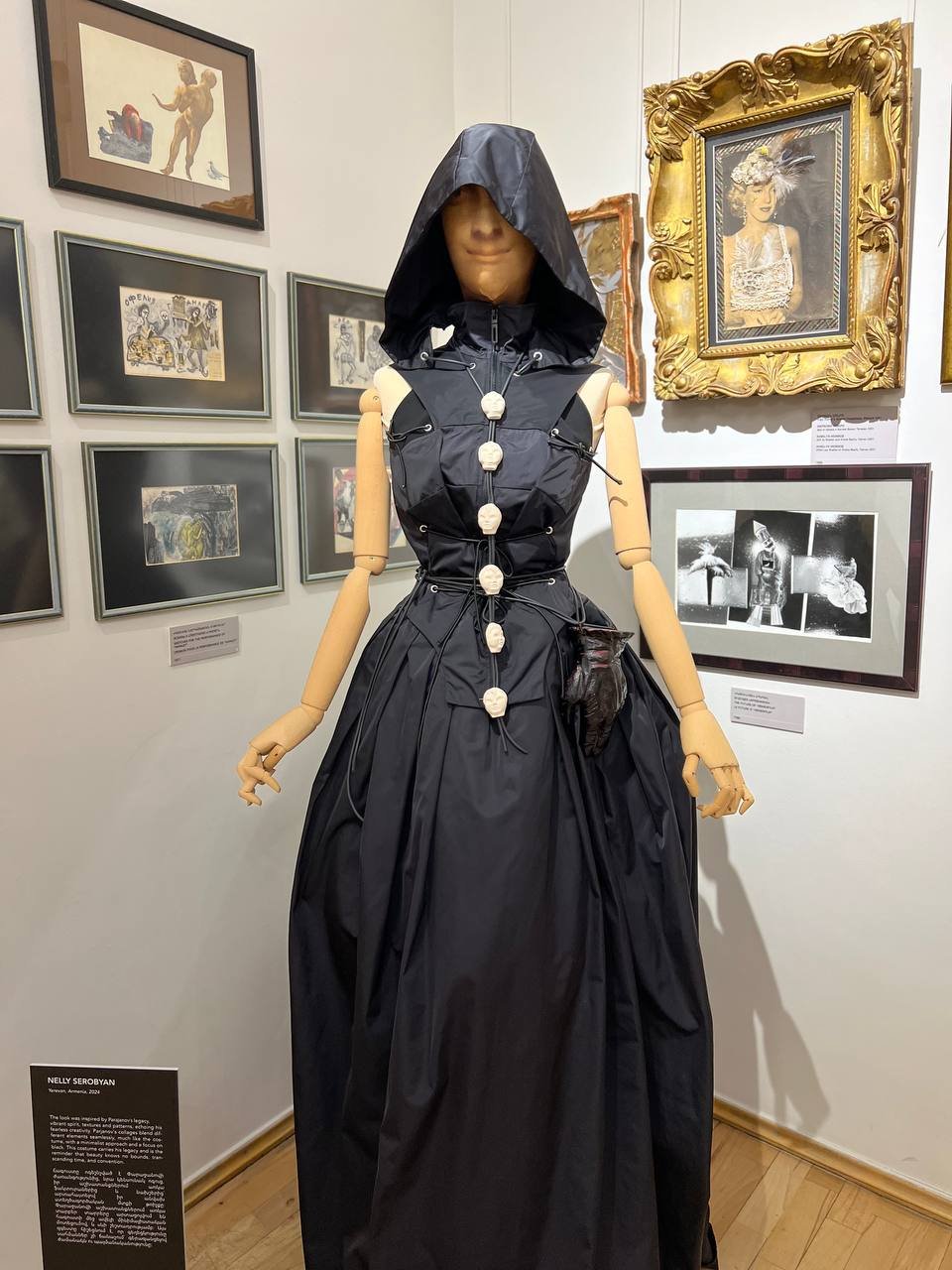
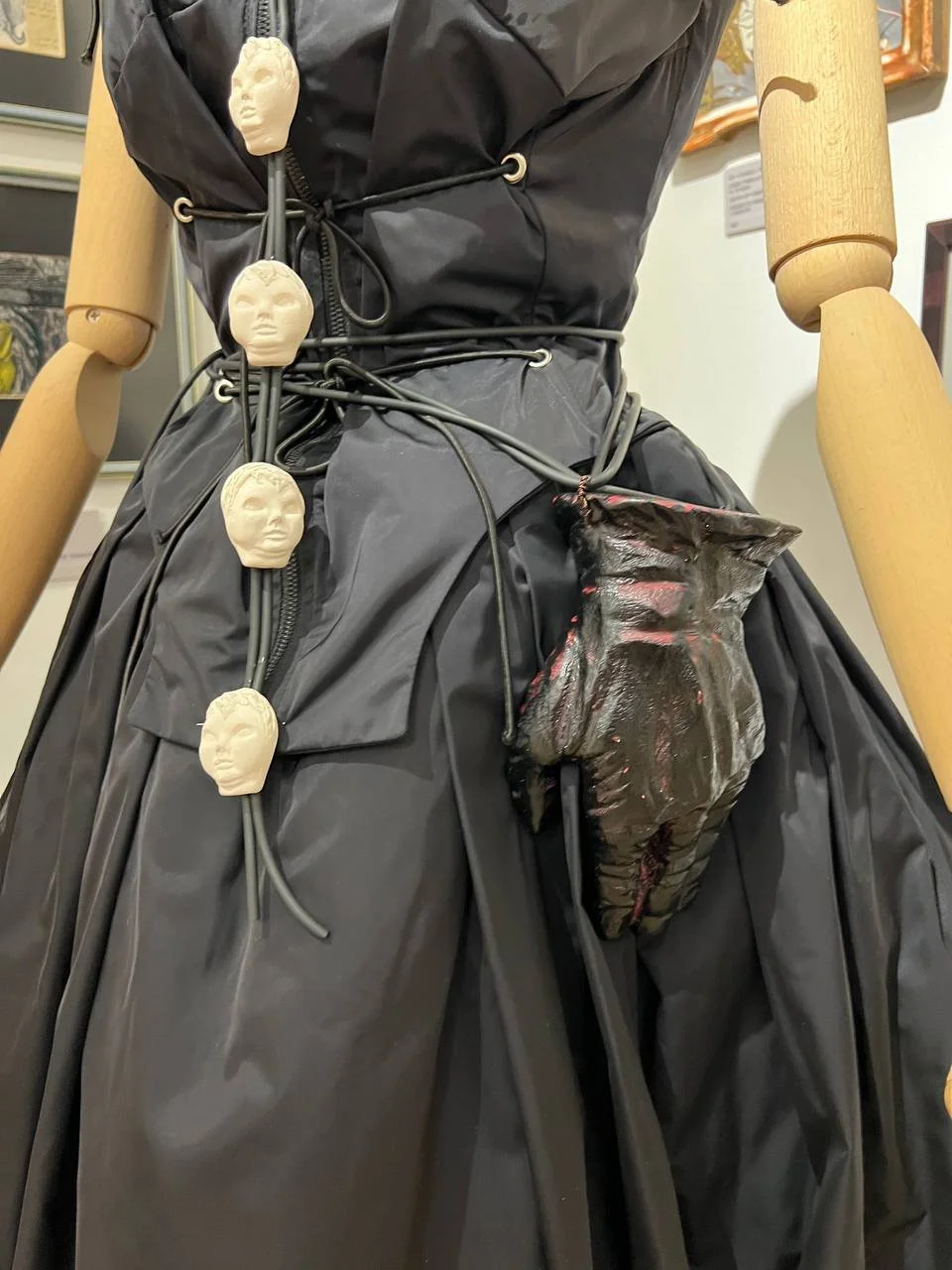
A black taffeta gown exhibited at the Sergei Parajanov Museum in Yerevan — a tribute to the filmmaker whose poetic visual language reshaped Armenian art. Hand-sculpted porcelain faces descend along the bodice like devotional icons, each unique, each watching outward with calm composure. Cord lacing cinches the waist in a gesture borrowed from both corsetry and bondage — restraint as ornament, tension as form.
At the hip, a sculpted hand in black lacquer cradles white carnations — life held by something already still. A deep hood conceals the wearer's face, surrendering individual identity to something collective, ancestral. Displayed among Parajanov's own collages and assemblages, the gown enters into dialogue with his world: the same obsession with found objects, ritual, and beauty forged under constraint.
Every element — the faces, the hand, the flowers — was made by the designer. Nothing is decorative. Everything means.
Press
Vogue Italia · Harper's Bazaar · Marie Claire ·
Elle · Fashion Scout